 Manufacturer of serial and exclusive plastic packaging with decoration

How does labeling prevent plastic recycling and why it is better to choose sustainable printing on bottles and jars for cosmetics?

Sustainable decoration of plastic packaging for cosmetics
How does labeling prevent plastic recycling and why it is better to choose sustainable printing on bottles and jars for cosmetics
If you are a cosmetic manufacturer and carry about eco-friendliness of packaging for your cosmetic project, you often ask yourself a question what to choose: labeling or one of different types of direct printing on bottles and jars. The choice is mostly falls on the label, because it seems that it is cheaper, and manufacturers declare that their product is eco-friendly and can be recycled. A truly eco-friendly label is more expensive than direct decorating of jars and bottles, and it takes a lot of efforts to recycle it.
A regular label in 90% of cases is neither eco-friendly nor recyclable, and it also makes it difficult to recycle plastic. And there is also a problem of recycling the backing of the label (the backing from which the label is separated when gluing).
To solve this problem MIRAN has developed and introduced into production a world innovation - full-color sustainable printing - to solve the problem of labeling. Full-color sustainable printing can completely replace any label and is 100% eco-friendly decoration. You also get rid of various problems with labeling using eco-decoration: bubbling, curved sticker, warping during use, etc.
But first things first.
Environmental label requirements
According to the European platform * https://recyclass.eu/, packaging with a mono-material label which does not prevent plastic recognition can be recognized as eco-friendly (for PE packaging - from HDPE, LDPE, LLDPE, MDPE, and PP packaging - from PP with a density of <1 g / cm³). The label should not cover more than 50% of the surface on packages with a volume of less than 500 ml and more than 70% of the surface on packages with a volume of more than 500 ml. The adhesive layer must be water-soluble or water-separable at a temperature not exceeding 40 degrees.
The majority of labels on the market do not conform to these requirements! The high cost of eco-label often scares off cosmetics manufacturers.
How does the labeled packaging recycle?
· Sorting of packaging on a conveyor by plastic types
· Crushing of the packaging into a small parts, washing the resulting mass
· Washing off the remnants of the label with hot water (Note: not only water is consumed, but also electricity to heat it)
· Separation of plastic and washed pulp, drying
· Production of granules and DISPOSAL of the washed mass at the landfill
The most common and cheap method of plastic recycling in Russia is the mechanical one, which we described above. But in different countries and at different plants recycling technologies can be very different. Depending on this, the same types of packaging in different countries can be recognized as eco-friendly or not. For example, a company in Germany is working on a technology of recycling composite materials, separating them by chemical reaction into single materials, which can be recycled separately. However, the technology has not yet been developed, and such processing is economically too costly
Sustainability criteria at Recyclass@ are regularly updated. The additions that the bottles consisting of a mixture of materials and containing up to 90% polyethylene are recyclable, as well as packaging consisting of several different layers of PE (multilayer HDPE with other PE - LLDPE, LDPE, MDPE) appeared this year. It means that bottles with a soft-touch surface, as well as bottles made from a mixture of HDPE and LDPE are recognized as recyclable. Thus, any bottle containing different types of polyethylene can be recycled.
At the same time, there is a certain "conflict" of approaches regarding the possibility of recycling from the Recyclass@ point of view and the generally accepted labeling of plastic. It is believed that plastics marked "7" cannot be recycled, although this group includes bottles made from a mixture of LDPE and HDPE polyethylene that can be recycled along with truly non-recyclable bottles. In our opinion, and as we know from the explanations of some Russian recyclers, such bottles still get to processing during manual sorting and visual inspection on the conveyor.
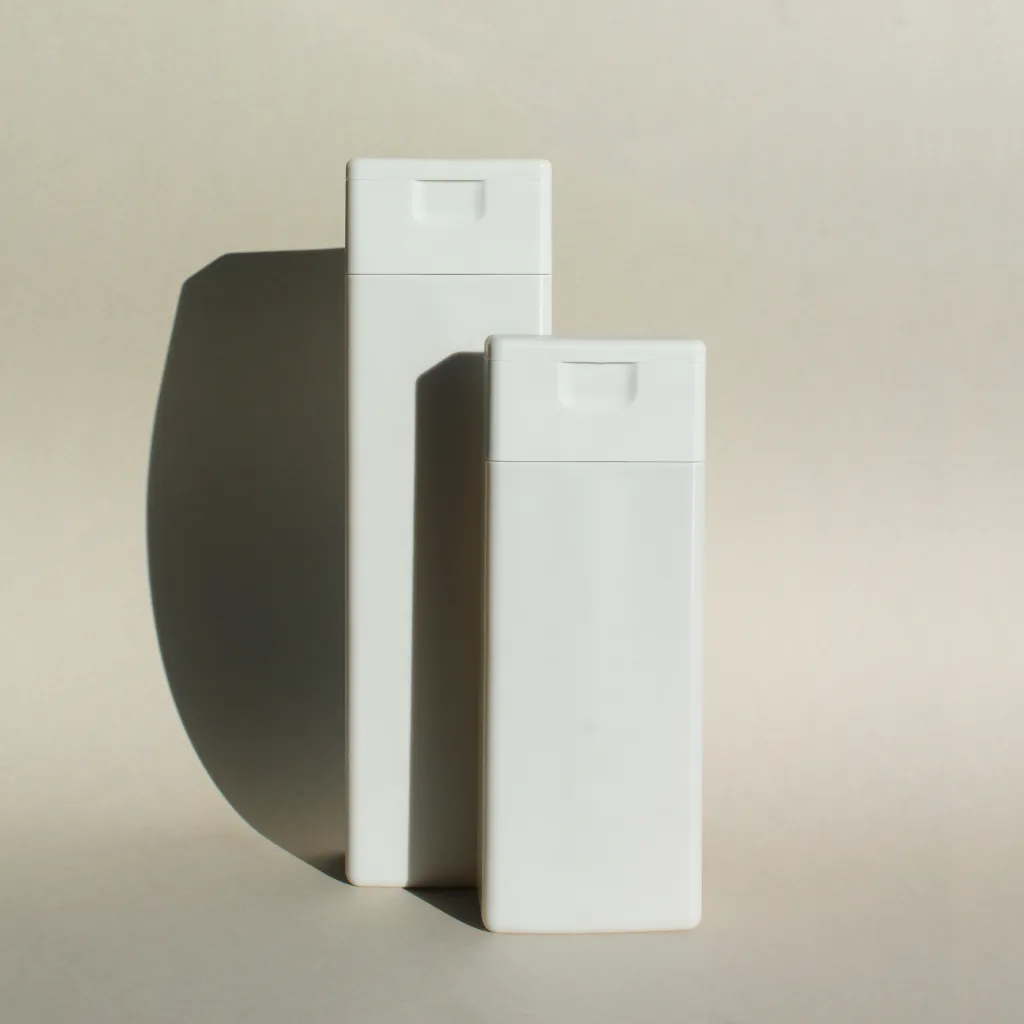
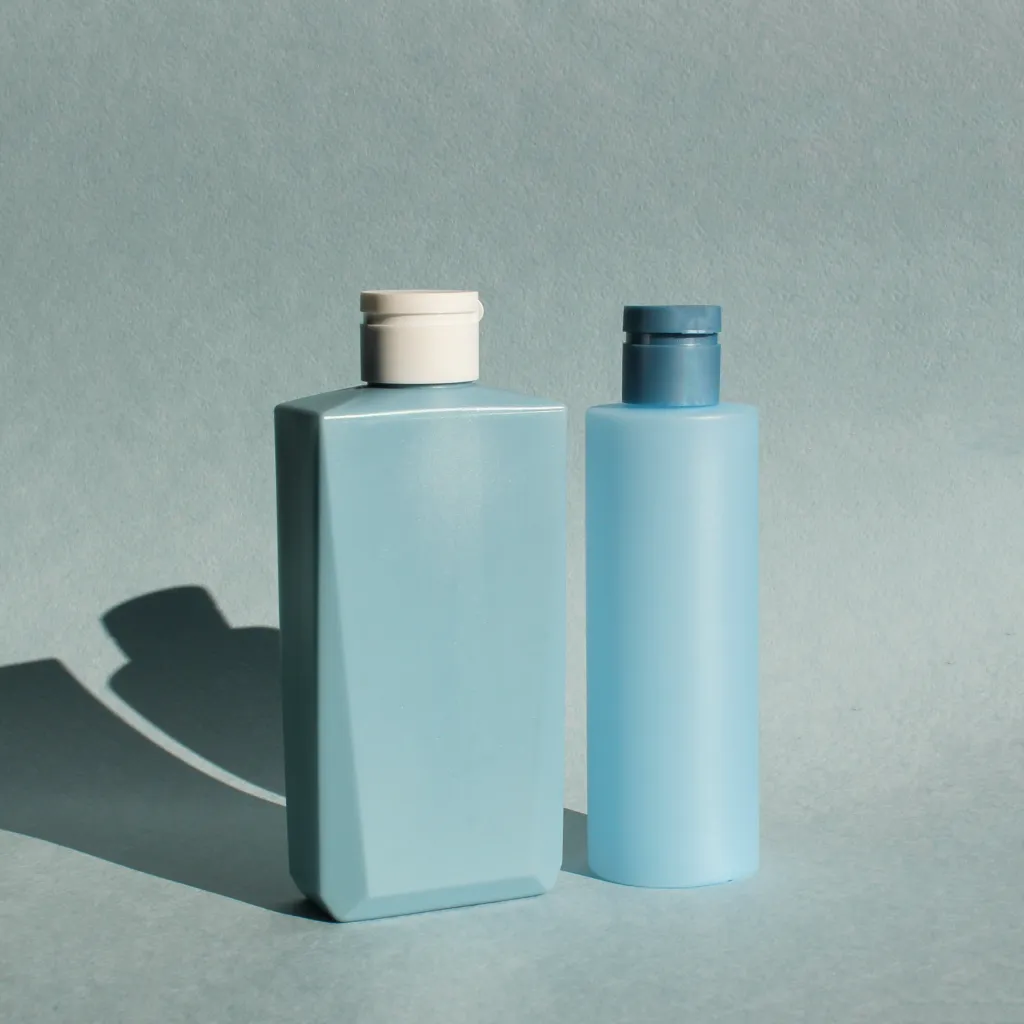
On the photo: bottles from the “Diamond” series (370 and 250 ml) and bottles “Chrystal-300” and “City-150”
How does ecologically apply information on bottles and jars?
Sustainable decoration is one of the ways to avoid unsustainable labels! We suggest to use silk-screen printing or full-color sustainable printing (a unique technology on the market and only in MIRAN!). You can also use foiling, but only in the form of small logos. Recycling companies believe that a small foil area does not interfere with recycling, so it is important to avoid, for example, fully foil lids or large foil strips.
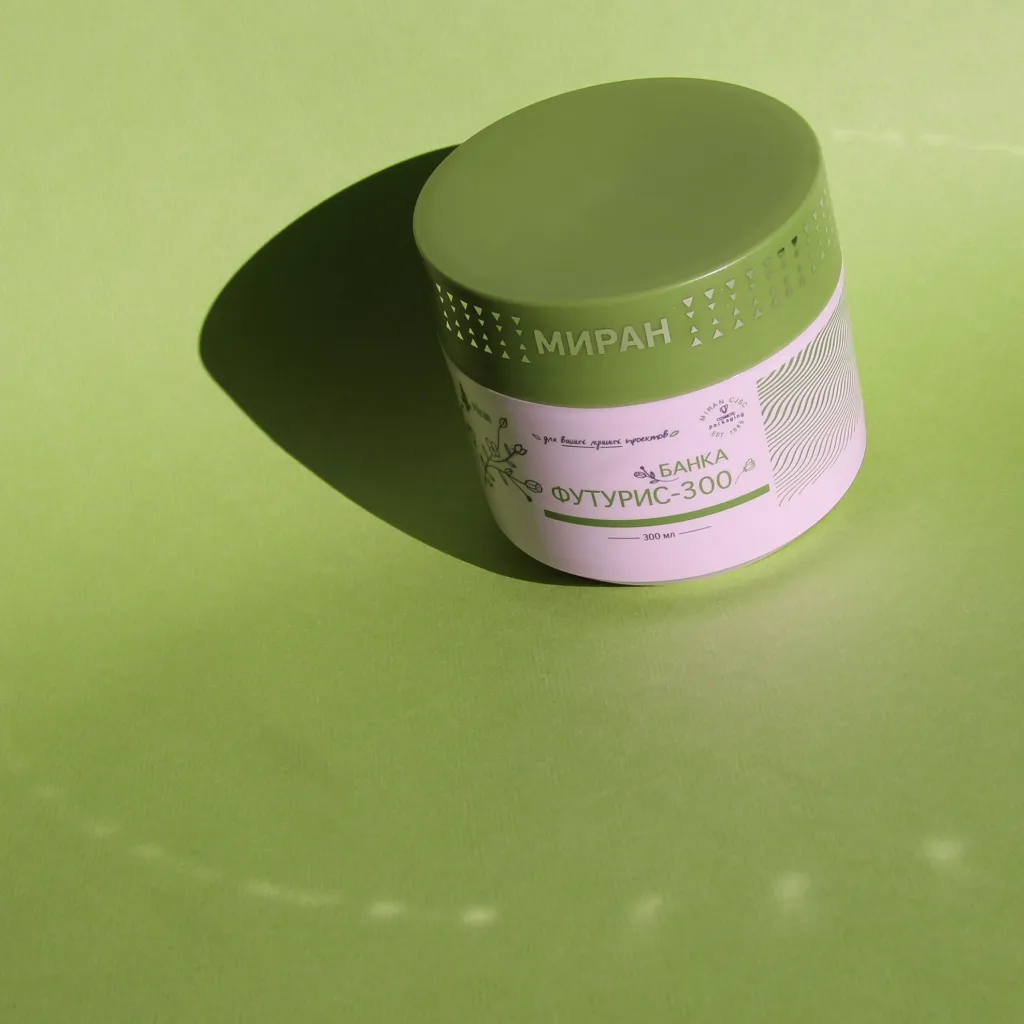
Our example of an ideal sustainable packaging for cosmetics
Eco-jar “Body-200” has the following advantages:
✓ The weight is 60-70% less than the existing 200 ml jars on the market.
✓ All component parts of the jar (body, closure and insert) are made of mono-material (100% PP) and are recyclable.
✓ The jar has sufficient height for decorating with full-color sustainable printing, silk-screen printing, or foiling.
✓ The jar is ready for filling because all the information (even small texts and bar codes) can be printed directly on the jar or closure.
✓ It is suitable for filling with any refrigerated cosmetic or food ** products.
✓ The jar is completed with a plastic insert with deep ear for tightness.
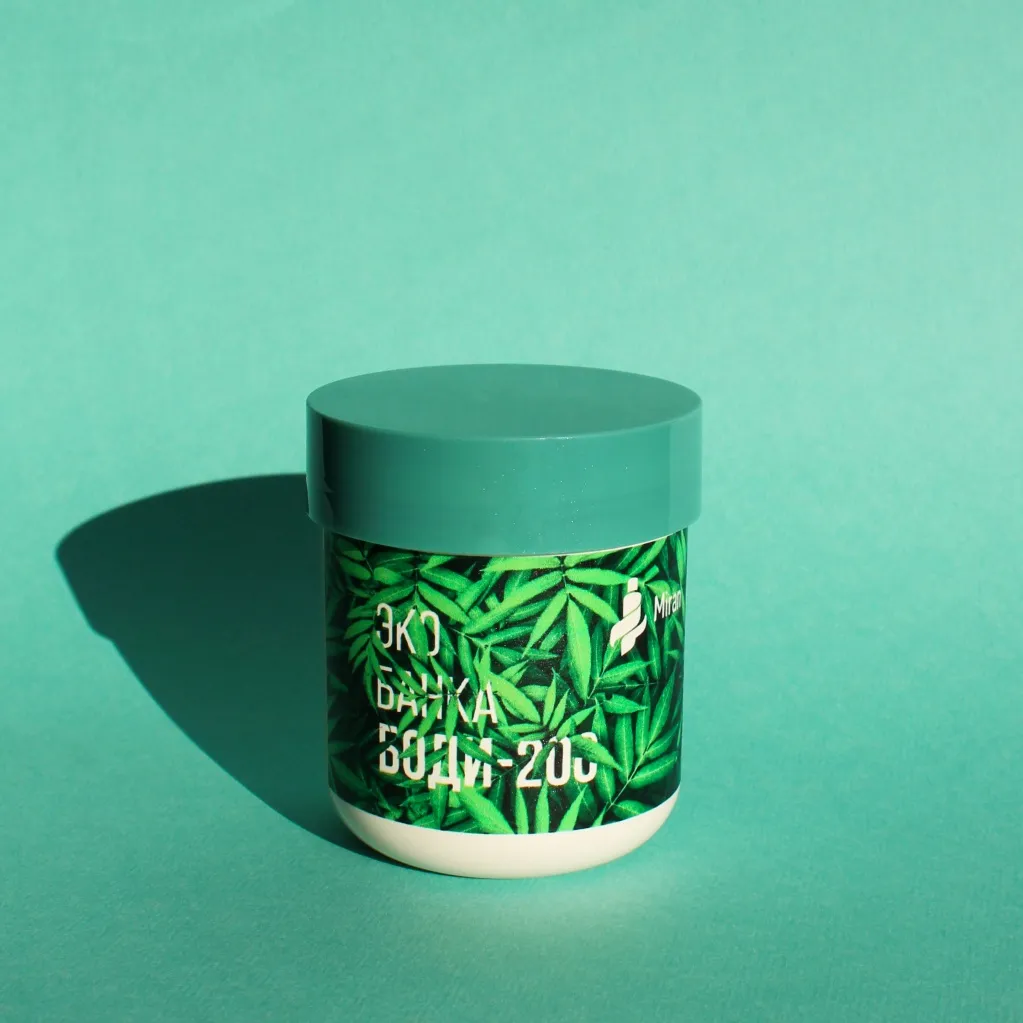
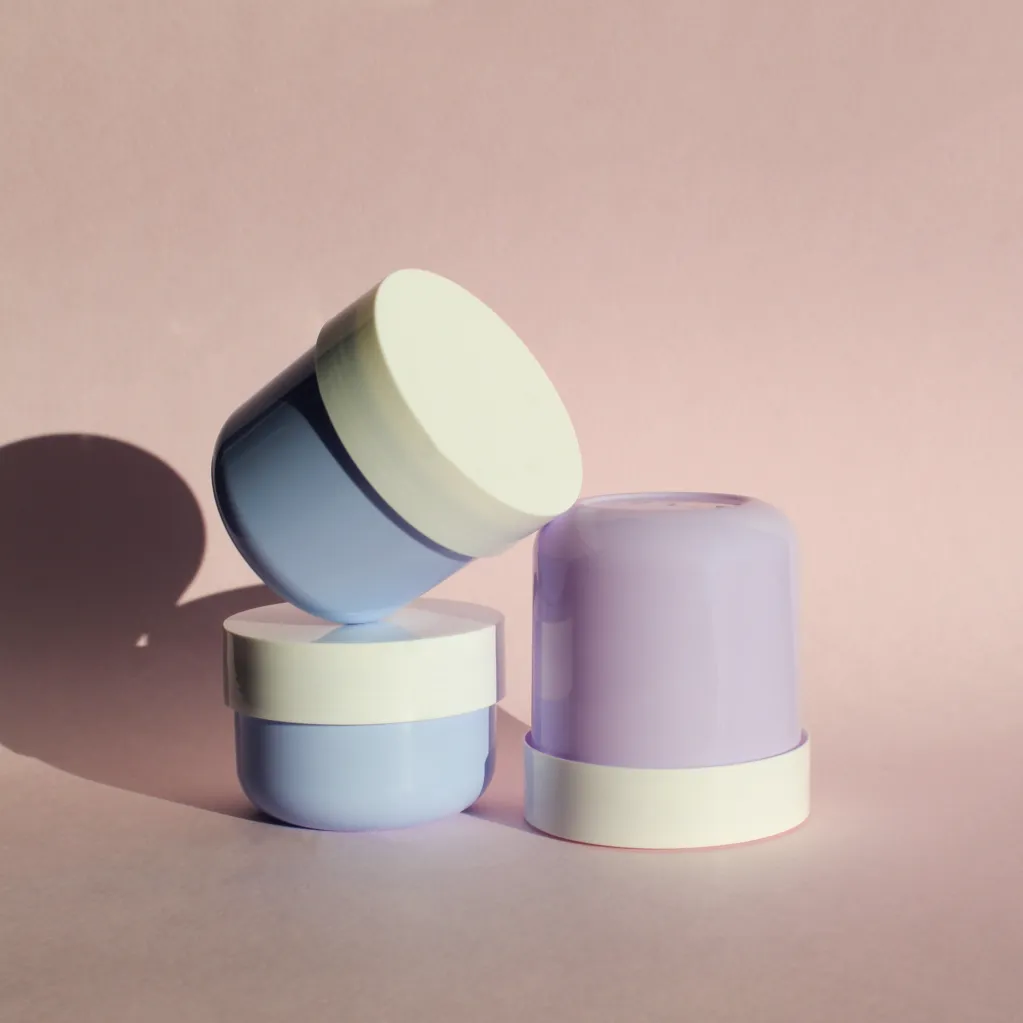
On the photo: jar “Body-200” with full-color sustainable printing decoration and the jar-series “Body” (100, 150, 200 ml)
Why does silk-screen printing and full-color sustainable printing recognized as eco-friendly decoration?
1. Non-toxic ink is used for silk-screen printing and full-color sustainable printing. It meets the requirements for sustainable plastic eco-packaging.
2. The weight of the paint is negligible compared to the weight of the package and does not prevent recycling.
3. Direct printing on bottles and jars does not prevent the recognition of plastic packaging during manual and automatic sorting on the processing line.
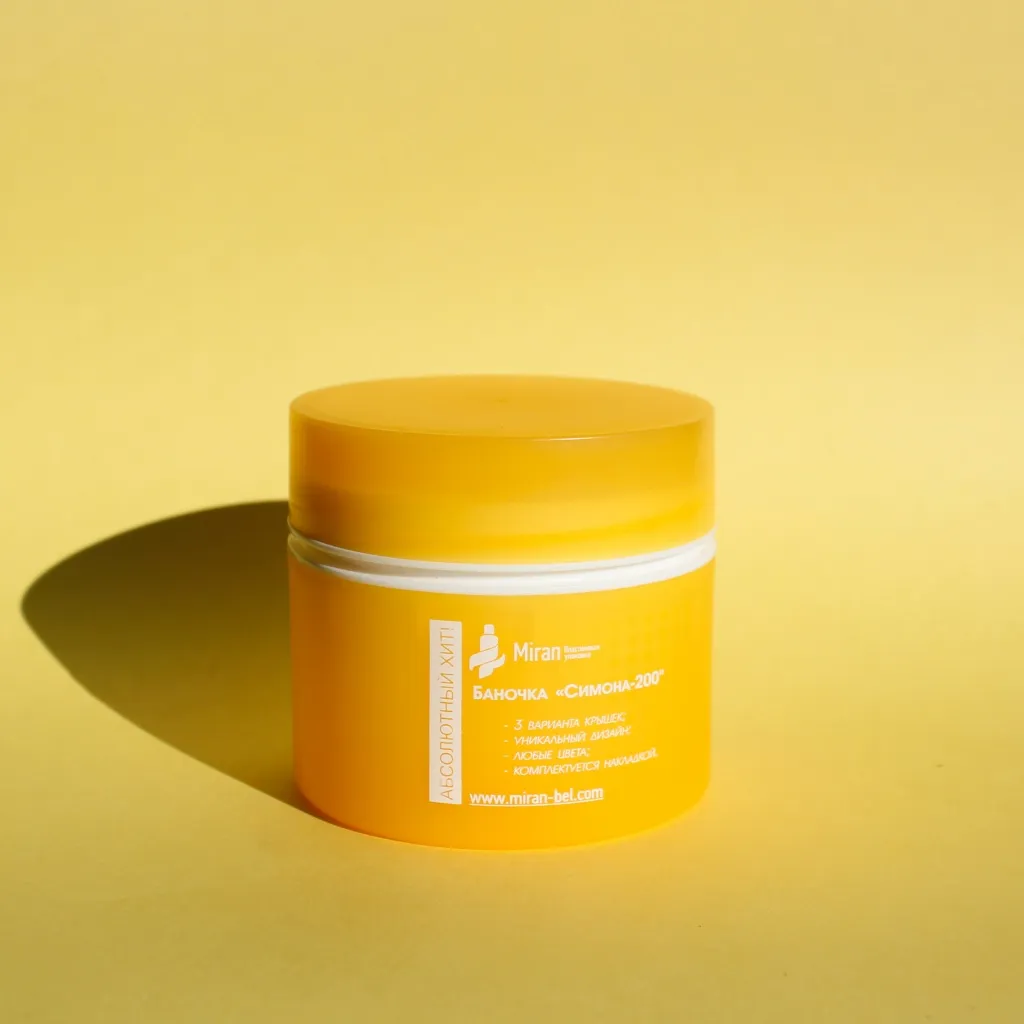
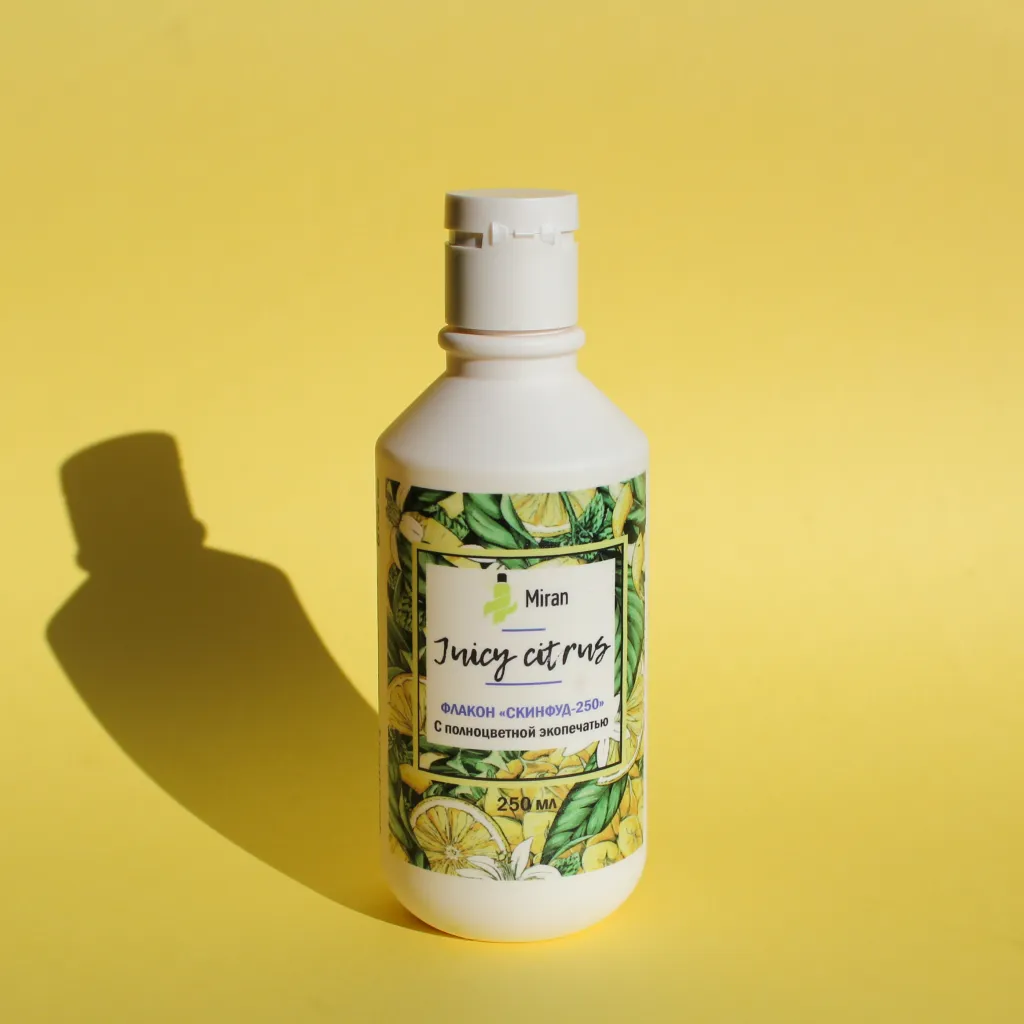
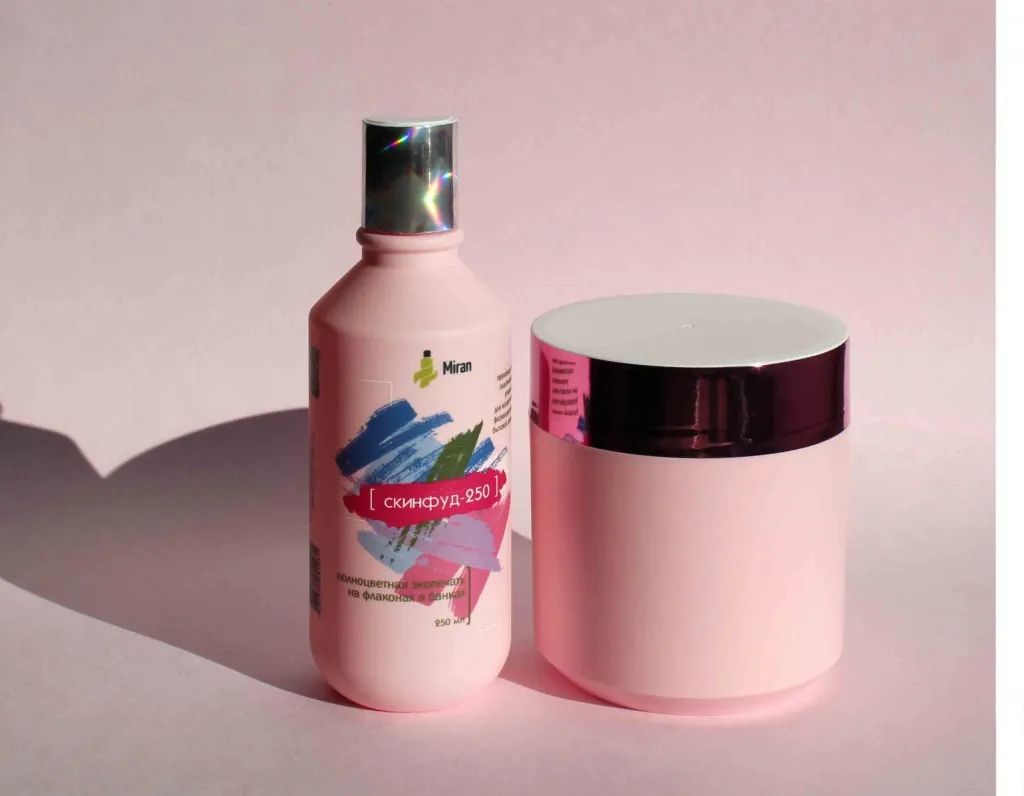
On the photo: silk-screen printing in one color on the jar “Simona-200” and full-color sustainable printing on the bottle “Skinfood-250.
The cost of eco-friendly decoration of plastic packaging is comparable to the price of a good label. The good news for every manufacturer is that eco-friendly packaging can cost not so a lot of money!
The MIRAN’s technology of digital full-color sustainable printing is becoming a new standard on the cosmetic packaging market, because it helps to avoid the use of non-eco-friendly labels, as well as to certify cosmetics with the necessary eco-certificates. The technology has been worked out and does not bear technological risks: more than 550,000 bottles have already been produced for 7 client projects in 2021 (and we don’t counting current projects in development)
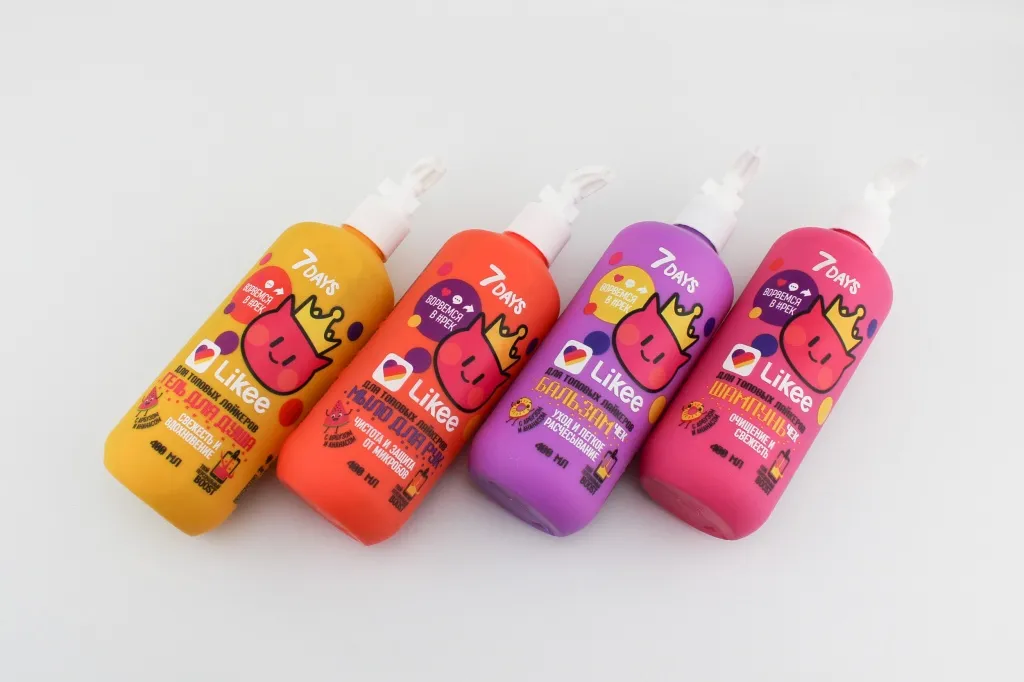
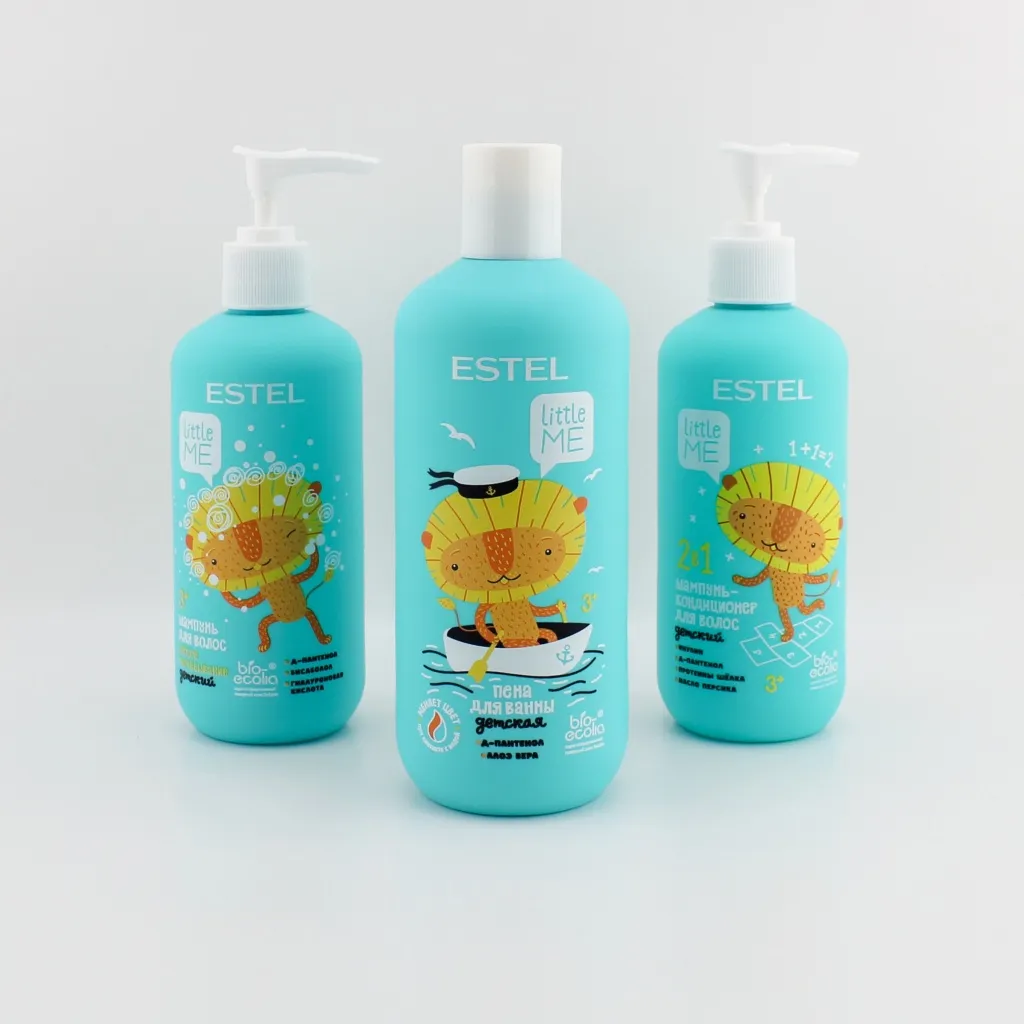
The possibilities for eco-friendliness for jars and bottles are noted in our catalog. In MIRAN we strive to reduce the weight of packaging, more than 96% of MIRAN packaging is recyclable. The remaining 4% is an exclusive multi-material packaging (we are working with customers to redesign the packaging to make it recyclable)
It is very important to keep the consumers aware of correctly plastic sorting and also of the need to remove product residues from the packaging before discarding. This helps to reduce the use of resources for recycling plastic packaging and reduce the cost of recycled plastic by making it more accessible and cheaper
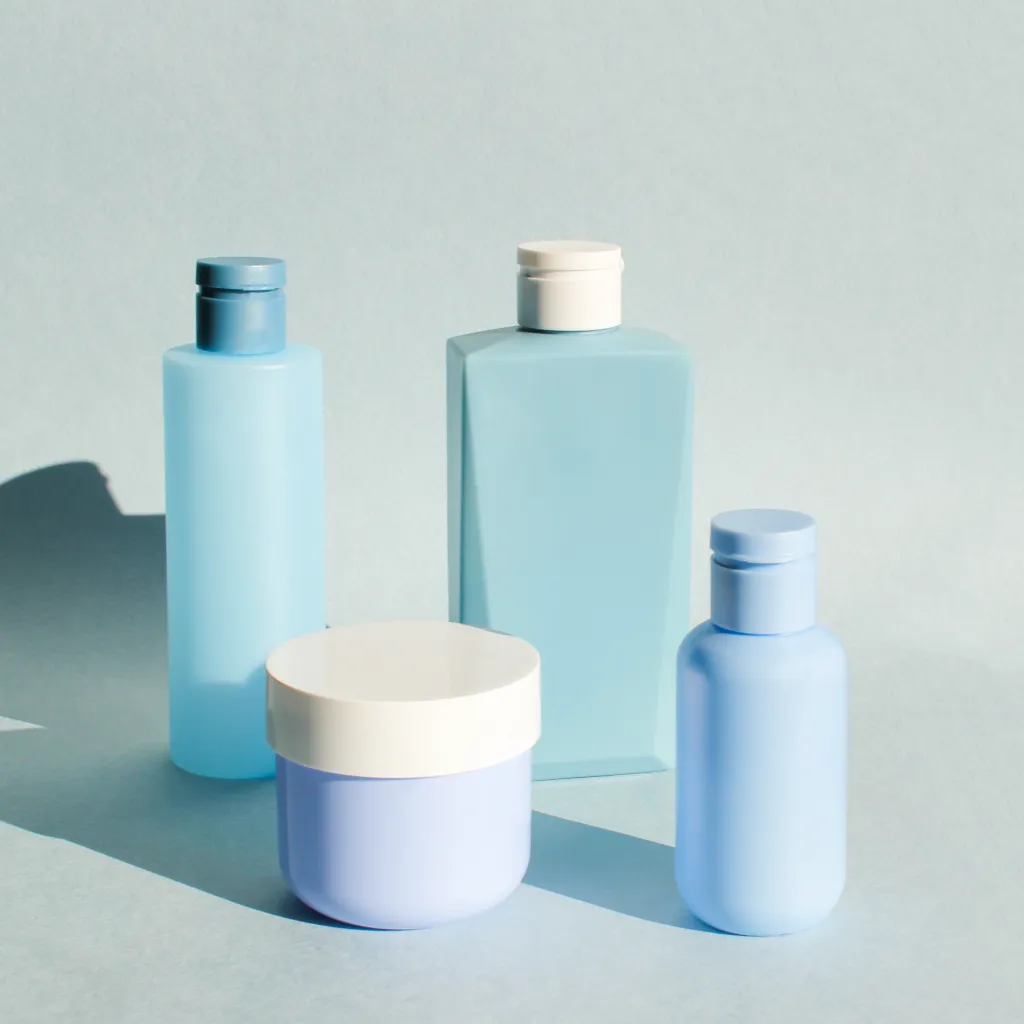
On the photo: bottles “City-150”, “Chrystal-300”, jar “Body-150” and bottle “Soft-100”.
We wish your projects only sustainable packaging
* RecyClass is a comprehensive cross-industry initiative that promotes the recyclability of plastic packaging and ensures the traceability and transparency of recycled plastic in Europe. RecyClass is supporting the industry in redesigning plastic packaging to improve the quality of recycled plastic, while striving to harmonize existing approaches. The board includes representatives of the entire chain of creating the final product and its processing, and among the members of the association are such brands as L'Oreal, Unilever, P&G, Avon, Henkel, etc.
** We will prepare the necessary certificate upon request, if it is necessary to use a jar for food products.